
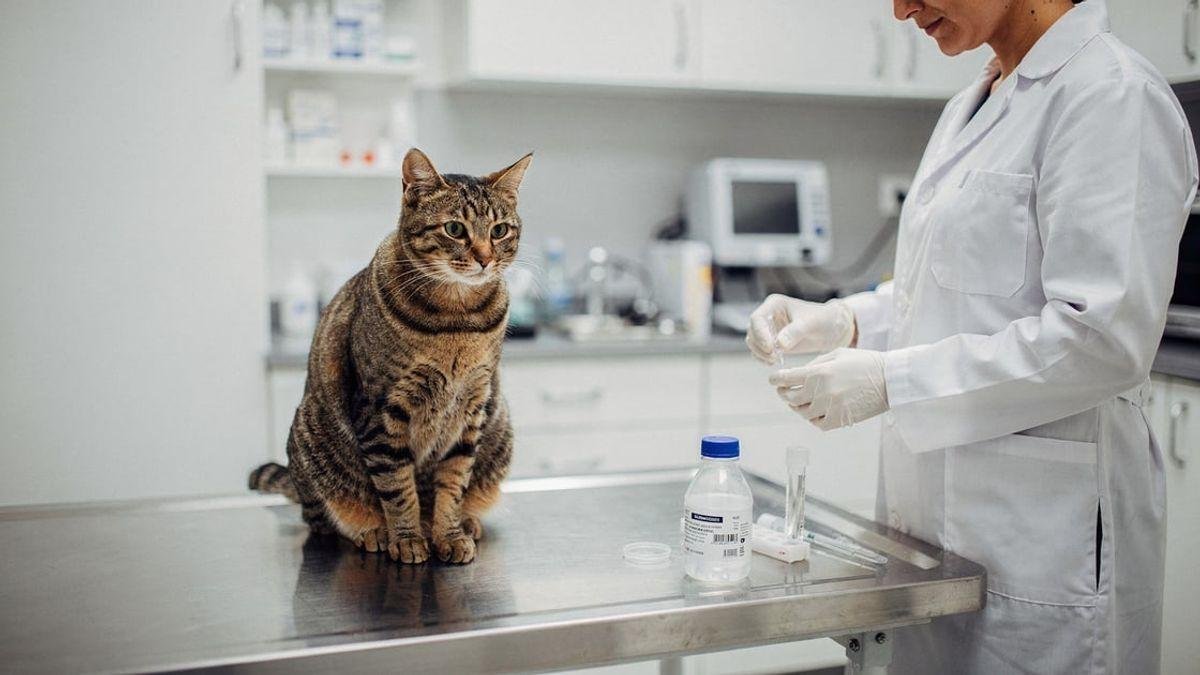
Seeing your cat vomit can be worrying, especially when it happens more than once. You may wonder, why is my cat vomiting, whether it is a serious problem, and what you should do to help your pet feel better.
Cat vomiting can happen for many reasons. Sometimes, it is caused by eating too quickly, swallowing hair, or eating something that does not agree with the stomach. However, repeated vomiting can also be a sign of infection, parasites, poisoning, or another health problem.
The good news is that understanding the possible causes can help you take the right steps. In this guide, we explain the 15 common reasons why cats vomit, what different types of vomit may mean, when to contact a veterinarian, and how to help your cat stay healthy.
Why Is My Cat Vomiting?
Cats vomit when something irritates their stomach or affects their digestive system. Vomiting is the process of bringing food, liquid, or stomach contents back out through the mouth.
A cat may vomit once and then behave normally. This can happen after eating too quickly or swallowing too much hair. But vomiting several times, refusing food, or acting weak may indicate a more serious problem.
Some common reasons include:
- Hairballs from regular grooming
- Eating food too quickly
- Sudden changes in cat food
- Food allergies or intolerance
- Eating spoiled food
- Stomach infections
- Intestinal parasites
- Poisonous plants or chemicals
- Swallowing foreign objects
- Empty stomach and bile buildup
- Stress and anxiety
- Constipation
- Inflammatory bowel disease
- Kidney or liver problems
- Pancreatitis and other digestive conditions
Let’s understand each cause in detail.
15 Common Reasons Why Cats Vomit
1. Hairballs
Hairballs are one of the common reasons cats vomit. Cats clean their bodies by licking their fur. During this process, they swallow loose hair.
Most swallowed hair passes through the digestive system and leaves the body through the stool. However, sometimes hair collects inside the stomach and forms a ball.
When the hair cannot move through the digestive system, the cat may try to remove it by vomiting.
Common signs of hairballs include:
- Coughing or gagging before vomiting
- Vomiting a tube-shaped mass of hair
- Repeated licking of the body
- Less interest in food in some cases
Long-haired cats may have a higher chance of developing hairballs because they swallow more loose fur.
What can you do?
Brush your cat regularly to remove loose hair. Keep fresh water available and ask your veterinarian about suitable hairball-control food if the problem happens often.
Frequent vomiting should not automatically be blamed on hairballs. A veterinarian should check repeated episodes.
2. Eating Too Quickly
Some cats eat their food very fast, especially when they feel hungry or compete with other pets for food.
When a cat eats too quickly, it may swallow extra air along with the food. The stomach can become uncomfortable, causing the cat to bring up undigested food shortly after eating.
This is sometimes regurgitation rather than true vomiting.
Common signs include:
- Food coming out soon after eating
- Undigested food in the vomit
- Vomiting shortly after a meal
- Eating very quickly and asking for more food
How to prevent it:
Try giving smaller meals throughout the day instead of one or two large meals. A slow-feeder bowl can also help your cat eat at a more comfortable speed.
If your cat regularly brings up food, arrange a veterinary checkup.
3. Sudden Change in Cat Food
Changing your cat’s food suddenly can upset its stomach.
For example, if your cat has been eating one brand for several months and you suddenly switch to a different brand, its digestive system may need time to adjust.
A sudden food change can lead to vomiting, diarrhea, or reduced appetite.
What should you do?
Change your cat’s food gradually over about 7–10 days, unless your veterinarian recommends a different plan.
Start by mixing a small amount of the new food with the old food. Slowly increase the new food while reducing the old food.
4. Food Allergy or Food Intolerance
Some cats do not tolerate certain ingredients in their food. Others may have an allergy to a particular food protein.
Common ingredients that may cause food reactions include chicken, beef, fish, dairy products, or other proteins. However, any ingredient can potentially be involved.
Food allergies can affect the skin and digestive system.
Possible signs include:
- Repeated vomiting after eating
- Diarrhea or soft stools
- Itchy skin
- Excessive licking or scratching
- Hair loss in some areas
A veterinarian may recommend a special diet trial to identify the ingredient causing the problem.
Do not keep changing foods randomly because this can make it harder to find the real cause.
5. Eating Spoiled or Inappropriate Food
Cats sometimes eat things they should not eat. This may include spoiled food, leftovers, garbage, or food found outside.
Such foods may contain bacteria or substances that irritate the stomach.
Some human foods are also unsafe for cats. Onions, garlic, chocolate, alcohol, and products containing xylitol should be kept away from pets.
Signs may include:
- Vomiting after eating something unusual
- Diarrhea
- Loss of appetite
- Stomach discomfort
- Weakness
If you think your cat has eaten something toxic or spoiled, contact a veterinarian immediately. Do not wait for symptoms to become worse.
6. Stomach or Intestinal Infection
Bacteria, viruses, and other germs can cause infections in a cat’s digestive system.
These infections may irritate the stomach and intestines, making your cat vomit.
Some infections can be especially dangerous for kittens and cats that have not received their recommended vaccinations.
Other possible symptoms include:
- Diarrhea
- Fever
- Loss of appetite
- Tiredness
- Dehydration
- Vomiting more than once
A veterinarian may need to examine your cat and recommend tests or treatment based on the cause.
7. Intestinal Worms and Parasites
Parasites are another possible reason why cats vomit.
Roundworms, hookworms, and other intestinal parasites can affect the digestive system. Cats may become infected through contaminated environments, infected prey, or other routes.
Kittens are especially at risk of certain worm infections.
Possible signs include:
- Vomiting
- Diarrhea
- A swollen-looking belly
- Weight loss
- Poor growth in kittens
- Worms visible in vomit or stool in some cases
A veterinarian can check a stool sample and recommend suitable deworming medicine.
Never give human worm medicine to your cat without veterinary advice.
8. Poisonous Plants and Household Chemicals
Cats are naturally curious and may chew plants or lick objects around the home.
Unfortunately, some common household plants and chemicals are dangerous for cats.
Lilies are especially dangerous. Even small exposure to certain lilies, including pollen or vase water, can cause severe kidney damage.
Other possible dangers include:
- Cleaning products
- Insect sprays
- Certain medicines
- Toxic plants
- Rat poison
- Essential oils
Possible poisoning symptoms include:
- Sudden vomiting
- Excessive drooling
- Shaking or tremors
- Weakness
- Difficulty breathing
- Unusual behavior
Important: If you suspect poisoning, seek emergency veterinary help immediately. Do not try to make your cat vomit at home or give milk as a treatment.
9. Swallowing Foreign Objects
Cats sometimes swallow objects while playing or exploring.
These may include:
- String
- Thread
- Rubber bands
- Small toys
- Plastic pieces
- Hair ties
- Pieces of fabric
Some objects can become stuck in the stomach or intestines. This may cause a blockage that prevents food and liquid from moving normally.
Common warning signs include:
- Repeated vomiting
- Refusing food
- Abdominal pain
- Hiding or unusual behavior
- Difficulty passing stool
- Weakness
A blockage can become life-threatening and may require surgery.
If you see string coming from your cat’s mouth or bottom, never pull it. Contact a veterinarian urgently.
10. Empty Stomach and Yellow Bile
Sometimes, cats vomit yellow liquid. This liquid may contain bile, a digestive fluid produced by the liver.
Bile can enter the stomach and irritate it. This may happen when the stomach is empty, but yellow vomit can also have other causes.
Possible signs include:
- Yellow or yellow-green liquid
- Vomiting before breakfast
- Vomiting when the cat has not eaten for several hours
If your cat is otherwise healthy and your veterinarian rules out other problems, smaller and more frequent meals may help.
However, repeated yellow vomiting should be checked by a veterinarian. Do not assume an empty stomach is always the reason.
11. Stress and Anxiety
Cats can become stressed when their environment changes.
For example, moving to a new house, introducing another pet, loud noises, or changes in daily routine may cause anxiety.
Stress can affect digestion in some cats and may contribute to vomiting.
Possible signs of stress include:
- Hiding more than usual
- Eating less
- Excessive grooming
- Changes in bathroom habits
- Unusual behavior
- Vomiting in some cases
Try to provide a quiet, safe place where your cat can relax. Keep feeding times consistent and avoid sudden changes in its surroundings.
However, vomiting should not automatically be blamed on stress. Medical causes must also be considered.
12. Constipation
Constipation happens when a cat has difficulty passing stool.
When stool remains inside the colon for too long, it becomes harder and more difficult to pass. Severe constipation may cause discomfort, reduced appetite, and sometimes vomiting.
Signs of constipation include:
- Going to the litter box frequently
- Straining to pass stool
- Passing small, hard stools
- Reduced appetite
- Vomiting
- A painful or uncomfortable belly
If your cat is straining in the litter box, make sure it is not actually struggling to urinate. Difficulty passing urine, especially in male cats, is an emergency.
A veterinarian can identify the cause and recommend safe treatment.
13. Inflammatory Bowel Disease (IBD)
Inflammatory bowel disease, also called IBD, is a condition in which the digestive tract becomes irritated and inflamed over time.
This condition can affect a cat’s ability to digest food properly.
Cats with IBD may experience repeated vomiting over weeks or months.
Common symptoms include:
- Frequent vomiting
- Diarrhea
- Weight loss
- Reduced appetite
- Changes in bowel movements
A veterinarian may recommend blood tests, imaging, or other tests to identify the problem.
Treatment may include a special diet and prescribed medicines.
14. Kidney or Liver Disease
The kidneys and liver help remove waste products and support many important body functions.
When these organs do not work properly, waste products can build up in the body. This may cause nausea and vomiting.
Kidney disease is more common in older cats, but it can affect younger cats too.
Possible symptoms include:
- Repeated vomiting
- Drinking more water than usual
- Urinating more frequently
- Weight loss
- Poor appetite
- Weakness
- Bad breath
Liver problems may also cause vomiting, poor appetite, and sometimes yellowing of the eyes or gums.
These conditions require veterinary examination and appropriate treatment.
15. Pancreatitis and Other Digestive Problems
The pancreas helps the body digest food and control blood sugar.
Pancreatitis means inflammation of the pancreas. It can make cats feel sick and cause digestive problems.
Some cats with pancreatitis show only mild signs, while others become seriously ill.
Possible symptoms include:
- Vomiting
- Loss of appetite
- Weakness
- Dehydration
- Abdominal discomfort
- Weight loss
A veterinarian may use blood tests, ultrasound, and other examinations to diagnose the condition.
Treatment depends on the severity and may include fluids, nausea control, pain relief, and nutritional support.
What Does Your Cat’s Vomit Color Mean?
The appearance of vomit can provide useful clues, but color alone cannot confirm the cause.
| Vomit appearance | Possible explanation |
|---|---|
| Yellow liquid | Bile or stomach irritation |
| White foam | Stomach fluid, nausea, or an empty stomach |
| Undigested food | Eating too quickly or regurgitation |
| Hairball | Swallowed fur |
| Clear liquid | Water or stomach fluid |
| Green material | Plant material or bile |
| Red or bloody vomit | Bleeding in the digestive tract |
| Dark brown or coffee-ground material | Possible digested blood |
Blood in vomit, black material that looks like coffee grounds, or repeated vomiting requires urgent veterinary attention.
What Should I Do If My Cat Is Vomiting?
If your cat vomits once but is active, eating, drinking, and behaving normally, monitor it closely.
Here are some useful steps:
1. Check Your Cat’s Behavior
Notice whether your cat is playing, walking, drinking, and behaving normally.
If it becomes weak, hides continuously, or refuses food, contact a veterinarian.
2. Keep Fresh Water Available
Vomiting can cause dehydration because the body loses fluids.
Always provide clean drinking water. If your cat vomits after drinking or cannot keep water down, seek urgent veterinary care.
3. Avoid Giving Human Medicines
Never give your cat human medicines for nausea, pain, or stomach problems without veterinary instructions.
Some common human medicines can be toxic to cats.
4. Check What Your Cat Has Eaten
Think about whether your cat has recently eaten:
- New cat food
- Table scraps
- Spoiled food
- Plants
- Household chemicals
- Small toys or other objects
This information can help your veterinarian understand the possible cause.
5. Take a Picture of the Vomit
A photo can help your veterinarian understand its color and appearance.
Also, note when the vomiting happened and how many times it occurred.
6. Contact a Veterinarian
If vomiting happens repeatedly, continues, or comes with other symptoms, arrange a veterinary examination.
Kittens, senior cats, and cats with existing health problems may need medical attention sooner.
When Is Cat Vomiting an Emergency?
Not every episode of vomiting is an emergency, but some symptoms require immediate veterinary attention.
Take your cat to an emergency veterinarian if you notice:
- Repeated vomiting or inability to keep water down
- Blood in vomit
- Severe weakness or collapse
- Difficulty breathing
- A swollen or painful abdomen
- Suspected poisoning
- Possible swallowing of string or a foreign object
- Severe dehydration
- Repeated attempts to vomit without bringing anything up
Do not wait until the next day if your cat shows these warning signs.
How to Prevent Vomiting in Cats
Although you cannot prevent every cause of vomiting, some simple habits can reduce the risk.
Feed good-quality cat food: Choose food suitable for your cat’s age and nutritional needs.
Avoid sudden food changes: Introduce new food gradually.
Brush your cat regularly: This helps remove loose fur and may reduce hairballs.
Keep dangerous items away: Store medicines, cleaning products, chemicals, and toxic plants safely.
Use a slow-feeder bowl: This may help cats that eat too quickly.
Provide clean water: Fresh water should always be available.
Follow a deworming plan: Ask your veterinarian about parasite prevention.
Schedule regular checkups: Routine veterinary visits can help identify health problems early.
Frequently Asked Questions (FAQs)
1. Why is my cat vomiting but acting normal?
Your cat may have eaten too quickly, swallowed hair, or experienced mild stomach irritation. However, some health problems can begin with vomiting while the cat still appears normal. Monitor your cat and contact a veterinarian if vomiting happens again.
2. Why is my cat throwing up yellow liquid?
Yellow vomit often contains bile. It may happen when the stomach is empty, but it can also be related to digestive irritation or illness. Repeated yellow vomiting needs veterinary attention.
3. Why is my cat vomiting undigested food?
Your cat may be eating too quickly, eating too much, or experiencing a digestive problem. If food comes out shortly after eating without strong stomach contractions, it may be regurgitation rather than vomiting.
4. Why does my cat vomit after eating?
Common reasons include eating too quickly, overeating, food intolerance, or a sudden food change. If it happens regularly, a veterinarian should check your cat.
5. Is it normal for cats to vomit hairballs?
Occasional hairballs can happen because cats swallow fur while grooming. However, frequent hairball vomiting is not something to ignore. Regular brushing may help reduce loose hair.
6. Should I feed my cat after vomiting?
If your cat vomited once and seems completely normal, ask your veterinarian about offering a small amount of its usual food. Do not force food or water. Kittens, diabetic cats, and cats with other health problems need special care. Avoid prolonged fasting without veterinary advice.
7. Can stress make a cat vomit?
Stress may affect a cat’s digestive system and contribute to vomiting. Changes in the home, loud noises, or new pets may cause anxiety. However, other medical causes should be ruled out.
8. When should I take my vomiting cat to the vet?
Seek urgent veterinary help if your cat vomits repeatedly, has blood in its vomit, becomes weak, cannot keep water down, or may have eaten something toxic. Even less severe repeated vomiting deserves a veterinary checkup.
9. Can worms cause vomiting in cats?
Yes. Some intestinal parasites can irritate the digestive system and cause vomiting, diarrhea, weight loss, and poor growth. A veterinarian can recommend the correct treatment.
10. Why is my kitten vomiting?
Kittens may vomit because of food changes, parasites, infections, or swallowing something they should not eat. Young kittens can become dehydrated quickly, so repeated vomiting requires prompt veterinary attention.
Final Thoughts
If you are wondering why is my cat vomiting, remember that there is no single answer. Vomiting can happen because of hairballs, eating too quickly, food problems, infections, parasites, poisoning, or serious medical conditions.
One isolated episode in an otherwise healthy adult cat may not be serious, but repeated vomiting should never be ignored.
Pay attention to your cat’s behavior, food intake, drinking habits, and the appearance of its vomit. Most importantly, contact a veterinarian when symptoms continue or warning signs appear.
Your cat cannot tell you when something is wrong, so noticing small changes and getting medical help at the right time can make a big difference to its health.